

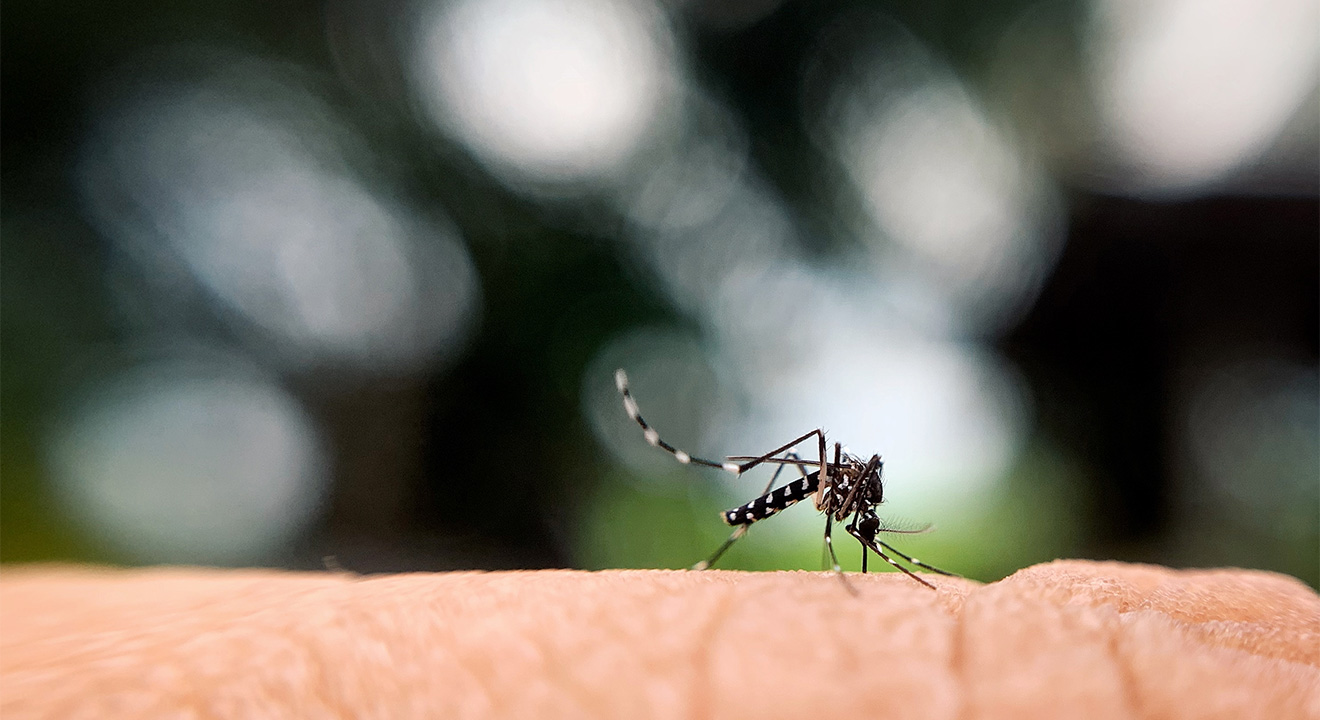


As the gray clouds of recent rainstorms give way to the familiar warmth of a California spring, a quiet but significant public health threat is emerging from the puddles. In the rural-suburban landscape of Rio Linda, where large lots and open drainage are common, the combination of standing water and rising temperatures has created a biological countdown. Local health officials are warning that the nuisance of a mosquito bite has evolved into a complex matter of disease prevention.
A Breeding Ground in the Backyard
The lifecycle of a mosquito is inextricably linked to water. Following the recent precipitation, the Sacramento-Yolo Mosquito and Vector Control District has shifted into high gear, identifying stagnant water as the primary engine for local infestations.
“Just a small amount of water can produce hundreds of mosquitoes in a matter of days,” says Gary Goodman, Manager of the Sacramento-Yolo Mosquito and Vector Control District. According to Goodman, the risk is not merely in large ponds, but in the overlooked corners of residential properties—clogged rain gutters, discarded tires, and even the small saucers beneath potted plants.
For Rio Linda residents, whose properties often feature diverse landscaping and livestock infrastructure, the surface area for potential breeding sites is significantly higher than in denser urban environments.
The Invasive Shift: A New Kind of Bite
Historically, mosquitoes in the Central Valley were primarily active during the twilight hours. However, the regional landscape changed in 2019 with the first local detection of Aedes aegypti and Aedes albopictus—invasive species commonly known as “ankle biters.”
Unlike native varieties, these invasive mosquitoes are aggressive daytime biters. More concerningly, they are efficient vectors for several serious tropical diseases, including:
- Zika Virus
- Dengue Fever
- Chikungunya
Since their introduction, these populations have expanded rapidly across District boundaries. Their presence means that the traditional safety of gardening or playing outdoors during the afternoon is no longer a guarantee against bites.
The “District D’s”: A Strategy for Prevention
Public health officials emphasize that the most effective tool against these vectors is community-wide participation. The District promotes a comprehensive protocol known as the “District D’s” to mitigate risk:
- Drain: Eliminate any standing water around the home.
- Dawn and Dusk: Limit outdoor activity during these peak mosquito hours, though vigilance is now required all day due to invasive species.
- Dress: Wear long sleeves and pants to provide a physical barrier.
- Defend: Use EPA-registered insect repellents according to label instructions.
- Door: Ensure window and door screens are intact to prevent indoor entry.
- District: Utilize professional resources for persistent issues.
To support these efforts, the District offers free home inspections and provides mosquitofish—a biological control method—for residents with permanent water features like ornamental ponds or fountains.
Public Health as a Collective Responsibility
The mission of the Sacramento-Yolo Mosquito and Vector Control District is to protect public health and enhance the quality of life, but their efforts are only as strong as the weakest link in a neighborhood. Because a single neglected bucket can infest an entire block, the “Drain after the Rain” campaign is more than a suggestion; it is a vital component of municipal safety.
As temperatures continue to climb, the window for preventative action is narrowing. Residents are encouraged to perform a weekly “walk-around” of their property to ensure no hidden water sources are fueling the next generation of vectors.
Taking Action
Residents who identify standing water they cannot drain, or those experiencing significant mosquito activity, can contact the District at 1-800-429-1022 or submit a service request online at www.FIGHTtheBITE.net.
Post Views: 1