

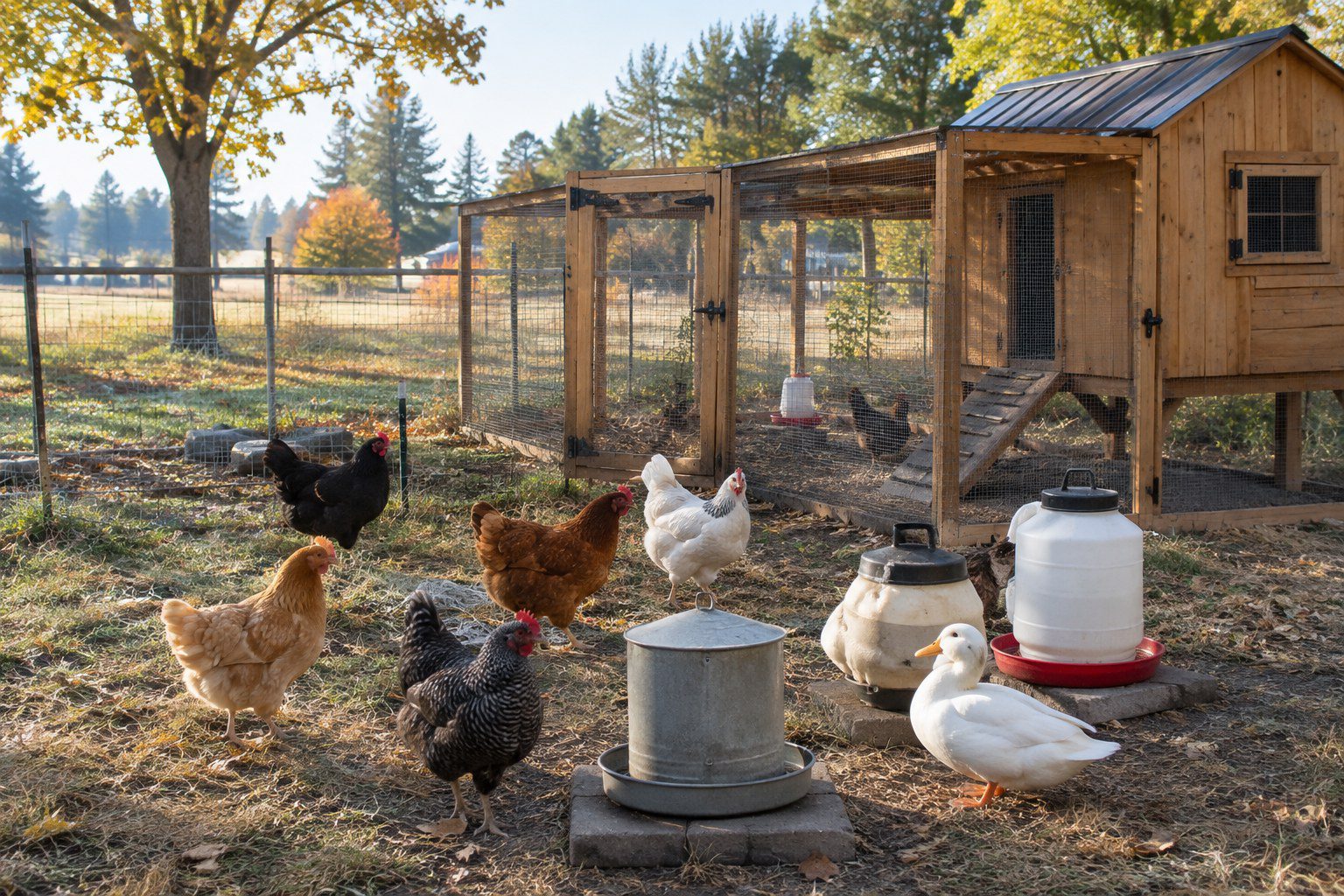
A confirmed bird-flu case in a Sacramento County backyard flock is prompting renewed precautions for poultry owners in Rio Linda and Elverta.

By John Todd | Rio Linda Online
Owners of chickens, ducks and other backyard birds in Rio Linda and Elverta are being encouraged to strengthen their disease-prevention practices after highly pathogenic avian influenza was confirmed in a Sacramento County backyard flock.
The California Department of Food and Agriculture announced the detection on Oct. 5 following testing by the California Animal Health and Food Safety Laboratory System and confirmation by the U.S. Department of Agriculture’s National Veterinary Services Laboratories.
Approximately 40 birds were affected, according to federal data reported by CBS Sacramento. State officials did not identify the flock’s location within Sacramento County.
Animal-disease emergency responders are working with the flock’s owner. CDFA said its investigation did not result in movement restrictions for Sacramento County.
Why it matters in Rio Linda and Elverta
The confirmation has particular relevance in Rio Linda and Elverta, where backyard chickens, ducks, geese and other small flocks remain common.
Highly pathogenic avian influenza, frequently shortened to HPAI or simply called bird flu, is highly contagious and can be fatal to domestic birds. Wild birds—especially ducks, geese and other waterfowl—can carry the virus and introduce it to backyard flocks through direct contact or contaminated water, feed, droppings and equipment.
The timing also coincides with fall bird migration and the opening of California’s waterfowl hunting season, increasing the possibility that hunters, footwear, dogs or equipment could encounter infected wild birds or contaminated areas.
Bird flu can also be carried between properties on shoes, clothing, tools, vehicle tires, cages or other surfaces.
CDFA cautions that the virus may be present in counties without confirmed cases because not every sick or dead bird is submitted for laboratory testing.
Signs flock owners should watch for
Symptoms can vary, and some infected birds may die without showing obvious warning signs. Possible indications include:
- Sudden death or an unusual increase in bird deaths
- Loss of appetite or reduced water consumption
- Coughing, sneezing or difficulty breathing
- Swelling or purple discoloration around the head, comb, wattles or legs
- Reduced egg production or soft, misshapen eggs
- Diarrhea, lack of coordination or unusual lethargy
Owners should avoid moving sick birds, sharing equipment or introducing new birds while illness is being investigated.
Anyone who suspects bird flu in a domestic flock can contact CDFA’s Sick Bird Hotline at 866-922-2473.
Protecting a backyard flock
The California Department of Public Health recommends keeping backyard birds in fully enclosed areas and separating them from wild birds and their droppings. Feed and drinking water should be placed where wild birds cannot reach them.
Flock owners should also:
- Use dedicated shoes and clothing when entering poultry areas.
- Wash hands before and after handling birds.
- Clean and disinfect equipment before moving it between properties.
- Keep visitors and unnecessary traffic away from poultry enclosures.
- Avoid sharing feeders, water containers, cages and tools.
- Keep domestic birds separate from pets and livestock when possible.
- Do not bring sick or recently exposed birds into an existing flock.
- Prevent poultry from drinking from ponds, puddles or other water used by wild birds.
The Centers for Disease Control and Prevention says practicing good biosecurity reduces the chance that poultry, people or property will be exposed to avian influenza and other contagious diseases.
Risk to people remains low
The CDC continues to describe the current risk to the general public as low. Human infections remain uncommon and have primarily involved people with direct or prolonged exposure to infected poultry, dairy cattle or contaminated environments.
Backyard-flock owners, poultry workers and waterfowl hunters face a higher exposure risk than the general population and should avoid unprotected contact with sick or dead birds.
Anyone who develops flu-like symptoms, eye irritation or redness after exposure to a sick or dead bird should contact a health care provider and mention the bird exposure.
Properly prepared poultry and eggs remain safe to eat. The CDC recommends cooking poultry and eggs thoroughly to an internal temperature of 165 degrees.
Sources
Views: 2
