



SB 802 requires Sacramento County and five cities to establish a joint housing and homelessness agency by 2028

By John Todd | Rio Linda Online
Gov. Gavin Newsom has signed legislation requiring Sacramento County and its largest cities to work together through a regional authority addressing housing and homelessness.
Senate Bill 802, authored by state Sen. Angelique Ashby, establishes a deadline of Jan. 1, 2028, for Sacramento County and the cities of Sacramento, Elk Grove, Rancho Cordova, Citrus Heights and Folsom to create a regional housing and homelessness joint powers authority.
The authority is intended to give local governments a permanent structure for coordinating housing programs, homelessness services, funding and long-term planning across jurisdictional boundaries.
Ashby said the new law completes an effort Sacramento-area leaders have discussed for approximately two decades.
“I believe deeply that Sacramento’s best days are ahead of us, But until we really work together as a region on our toughest and most persistent issues, we cannot expect to see the results that this community so deeply deserves.”
State Sen. Angelique Ashby
Ashby said she wrote SB 802 to bring local leaders together after previous efforts to establish a regional joint powers authority failed.
“Homelessness and lack of appropriate housing with services continue to demand our attention in Sacramento,” she said. “We are so much more effective when we work together.”
When Ashby originally introduced the legislation, she described the proposed regional agency as a way to coordinate, fund and implement housing and homelessness programs throughout Sacramento County. (CA.gov)
What it means for Rio Linda and Elverta
Rio Linda and Elverta are unincorporated communities and will not have separate seats at the table as cities. Their representation and participation will come through Sacramento County.
That makes the county’s role particularly important for communities outside city limits. Decisions about regional priorities, funding, supportive housing and homelessness services could affect how resources are distributed to Rio Linda, Elverta and other unincorporated areas.
The new law does not immediately authorize a specific shelter, housing development or service location in Rio Linda or Elverta. It instead creates a regional governing framework under which those decisions may eventually be made.
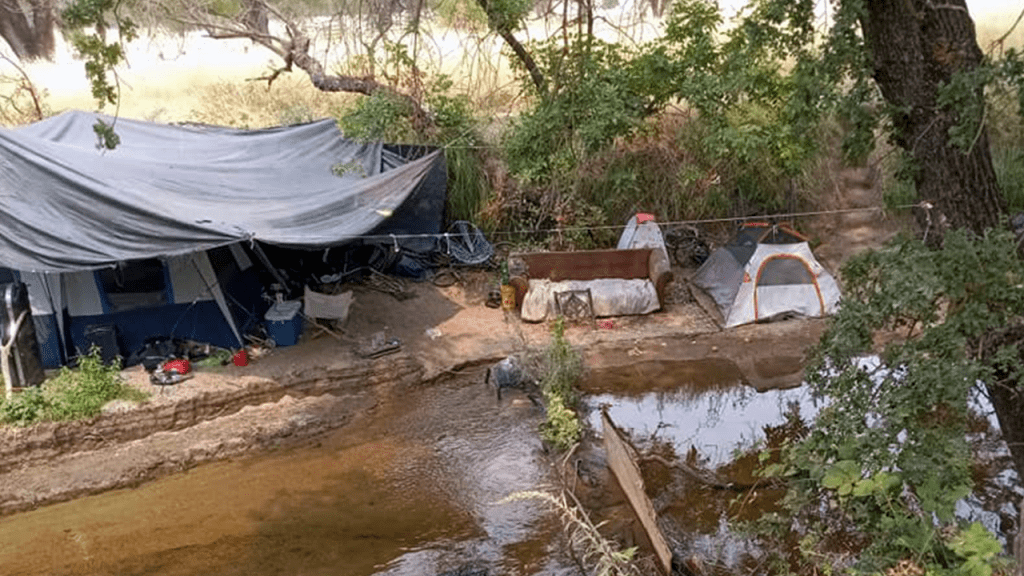
The governor’s signing statement said homelessness does not stop at jurisdictional boundaries and cannot be solved by any single city or county. Newsom said the new authority could improve regional planning, align housing with services and establish shared performance goals.
Newsom also cautioned that participating governments must clearly define how decisions will be made, how responsibilities and resources will be divided, and how each member will be held accountable for results.
The final structure will be developed by the participating local governments. According to the governor, each of the governments named in the legislation signed a letter of intent in June affirming its commitment to a coordinated regional approach.
“This new authority offers Sacramento an opportunity to build on the important work already underway and strengthen the delivery of housing and services,” Newsom wrote.
The governor said a regional partnership with clearly assigned responsibilities could help move more people from homelessness into safe and permanent housing.
SB 802 previously generated disagreement among local officials over governance, control of funding and the responsibilities of participating jurisdictions. Earlier versions faced opposition from Sacramento County, which questioned the proposal’s structure and legality. (capradio.org)
The version signed by Newsom gives local officials room to negotiate the authority’s governing structure while setting a firm deadline for completing the process.
For Rio Linda and Elverta residents, the next phase will be worth watching closely. The effectiveness of the new authority—and whether unincorporated communities receive an equitable share of attention and resources—will depend heavily on the agreement Sacramento County and the participating cities develop before 2028.
Post Views: 59
