

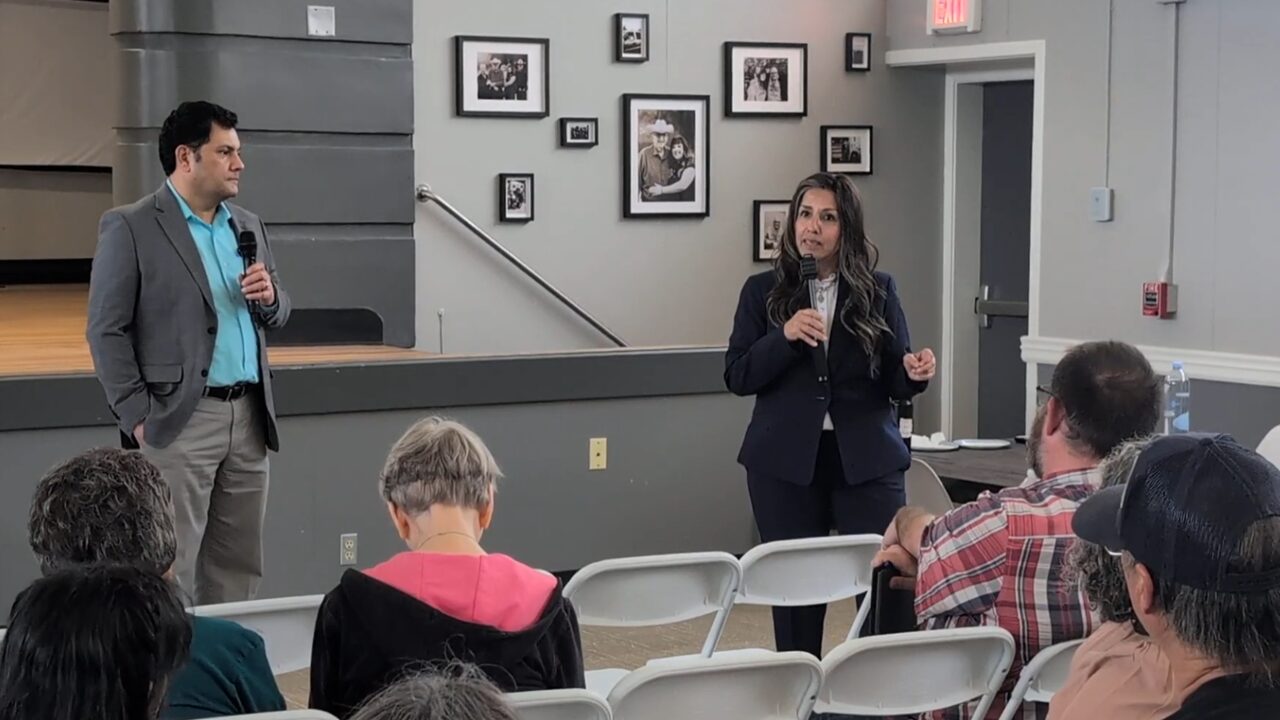

For over four decades, the residents of Rio Linda and Elverta have debated a singular, transformative question: Should they remain an unincorporated part of Sacramento County or become an independent city? The conversation moved from social media threads to a public forum at the Rio Linda Teen Center.
The Presenters
The meeting featured two primary speakers who provided both the administrative framework and the political context of incorporation:
- Rosario Rodriguez (Sacramento County Supervisor): Representing the county, Supervisor Rodriguez facilitated the meeting to address the many conversations she has had with residents over her tenure regarding the benefits and hurdles of cityhood.
- Jose Henriquez (Executive Officer, Sacramento LAFCO): As the head of the Local Agency Formation Commission (LAFCO), Henriquez acted as the technical expert, explaining the rigorous legal and financial steps required by California law to form a new city.
What is LAFCO?
LAFCO stands for Local Agency Formation Commission.
To understand incorporation, one must understand LAFCO.
Created in 1963 to manage urban sprawl and protect agricultural land, LAFCO is the “gatekeeper” for boundary changes in California. It is a state-mandated agency with local representatives, including county supervisors, city council members, and special district representatives.
In California, there is a LAFCO in each county. These agencies ensure that local governments are formed and expanded in an orderly manner.
The High Cost of Independence
Jose Henriquez delivered what he called a “cautionary tale” regarding the financial realities of becoming a city. He emphasized that the process is intentionally slow and expensive to ensure any new city is sustainable for 50 to 100 years.
Key Financial Requirements:
- The “War Chest”: Henriquez recommended that any incorporation committee start with at least $150,000 in the bank to cover initial studies and application fees.
- Comprehensive Fiscal Analysis (CFA): This is the most critical document. It examines both the revenue (taxes) and the expenditures (police, public works). These studies can cost upwards of $100,000 and become “stale” after just six months.
- Revenue Neutrality: Often referred to as “divorce payments,” a new city must negotiate with the county to ensure the county does not lose significant revenue. For example, Citrus Heights incorporated in 1997 and only made its final payment to the county in 2024.
Why Incorporate? “Home Rule” vs. Reality
The primary driver for incorporation is “Home Rule”—the ability for local residents to make their own decisions on zoning, land use, and development.
- Pro-Incorporation View: Residents argued that incorporation is the only way to keep Rio Linda and Elverta the way the community wants it to be. Supporters feel the county is not always positioned to manage local municipal services like specific road repairs or animal control.
- The Challenges: Supervisor Rodriguez noted that cityhood is not a “magic wand.” Even established cities face structural deficits and massive backlogs in park maintenance. Additionally, state mandates now require cities to meet specific housing quotas, meaning local control over growth is more limited than in the past.
The Incorporation Process at a Glance
- Initiation: Can be started by a petition of 25% of registered voters or land owners.
- Studies: Preliminary and Comprehensive Fiscal Analyses to prove the city can pay for itself.
- Negotiations: Settling “revenue neutrality” with the county.
- LAFCO Approval: The commission votes on whether the proposal is viable.
- The Ballot: Ultimately, the registered voters in the area have the final say in an election.
Conclusion
The meeting ended with an invitation for further community dialogue. While the path to cityhood is described as rigorous and burdensome by some, the desire for local representation remains a factor in the community. Supervisor Rodriguez suggested a follow-up meeting in the coming weeks to dive deeper into the specific financial data of the area.
Full Video: Rio Linda/Elverta Incorporation meeting April 4 2026
Post Views: 1
