

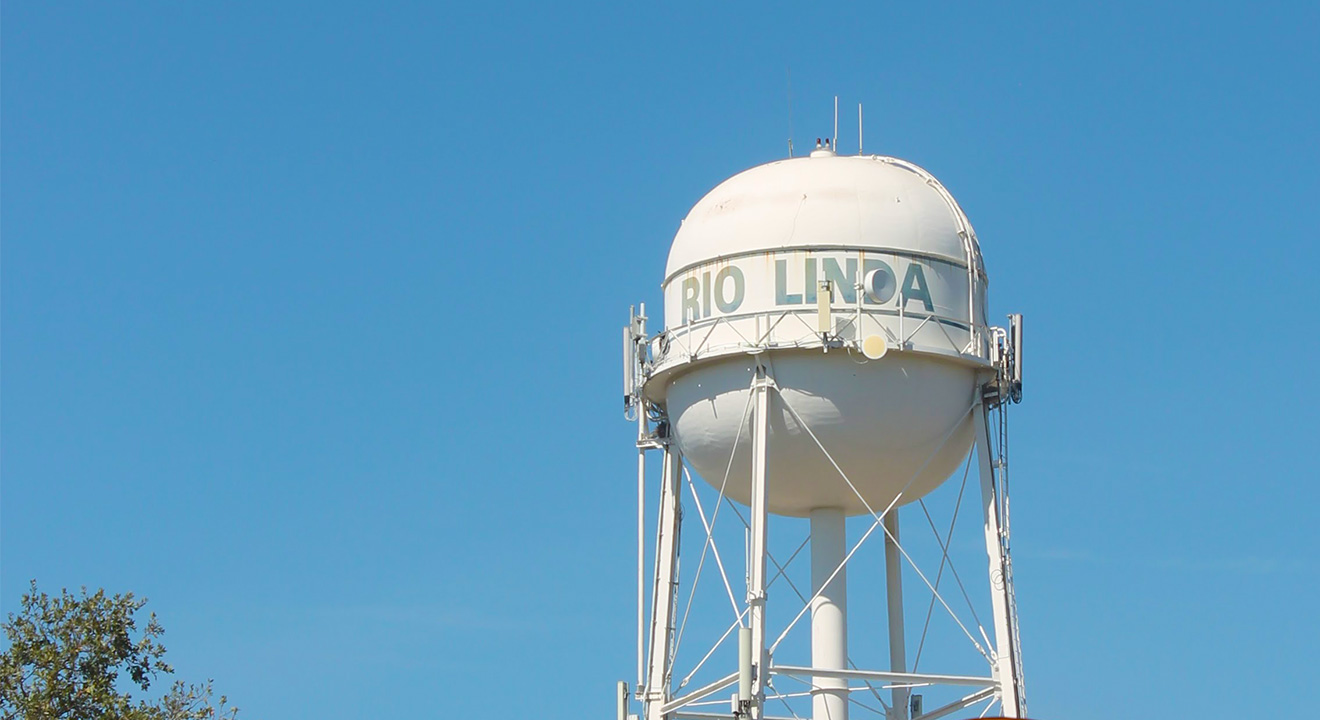

RIO LINDA, CA – A long-standing, nearly completed plan for the critical treatment of Hexavalent Chromium (Chromium-6) in the Rio Linda Elverta Community Water District (RLECWD) faces a potential standstill at the upcoming February 23, 2026 board meeting. Director Maria Liverett has formally requested a pause on the current treatment project, citing concerns over long-term costs and the impact on local ratepayers.
The request comes at a critical juncture for the District. For nine years, RLECWD has moved toward utilizing ion exchange technology to mitigate Chromium-6 levels. With engineering designs nearly 90% complete and a May 2027 completion date already communicated to the public, a pause represents a significant shift in direction.
The Board will meet to deliberate this item and more at 6:30 p.m. tonight at the Visitor’s/Depot Center.
Why the Call for a “Project Pause”?
Director Liverett’s request is rooted in a desire for greater fiscal clarity. Specifically, Liverett is seeking a “clear, documented understanding” of alternative treatment options, lifecycle costs, and the direct impact on ratepayers.
“If you cannot trace every dollar to a defensible, proportionate service cost, it should not be approved,” Liverett stated, warning that any deviation exposes the District to legal and audit risks.
In tandem with this fiscal focus, the Board will consider revising the 2025/2026 Operating Budget. A major proposed change is an increase of $200,000 to the legal services budget. Through December 2025, the District’s legal tallies already surpassed $180,000 due to various independent investigations and PERB complaints.
Director Compensation Review
Transparency regarding District expenditures also extends to Board compensation. Based on the most recent financial reports for November and December 2025, Director Maria Liverett received the highest total funds among the board members:
- Director Maria Liverett: $885.00 total, which includes $500 for meeting attendance and a $385 reimbursement for the ACWA Legislative Symposium.
- Director Vicky Young: $500.00 for attendance at five documented meetings.
- Director Jason Green: $200.00 for one Board meeting and one ethics training session.
- Directors Anthony Cline and Chris Gifford: $0.00 (No compensation payments recorded in these specific reports).
Understanding the Challenge: What is Hexavalent Chromium?
Hexavalent Chromium, or Cr(VI), is a toxic form of the element chromium. Unlike trivalent chromium, which is a dietary nutrient, the hexavalent form is a known human carcinogen when inhaled and has been linked to various health issues when consumed in drinking water over long periods.
For a public water utility, treating Cr(VI) is not just a matter of health—it is a regulatory mandate. In 2024, California established a Maximum Contaminant Level (MCL) of 10 parts per billion (ppb) for Hexavalent Chromium. The federal standard for Total Chromium is 100 parts per billion (ppb).
Utilities like RLECWD are legally required to bring their water into compliance to ensure public safety and avoid state-level penalties. California water utilities are now on a strict regulatory clock to bring their systems into compliance with the 10 ppb standard.
In the Rio Linda and North Highlands area, the presence of Chromium-6 generally stems from two primary sources:
- Industrial Legacy: Historically, Cr(VI) was used extensively at the nearby McClellan Air Force Base for chrome plating and as a corrosion inhibitor. Decades of industrial activity resulted in groundwater plumes that the military has been working to remediate for years.
- Naturally Occurring: Chromium is also found naturally in the rocks and soil of the Central Valley. As water moves through the aquifer, it can leach these minerals out of the ground, leading to “background” levels of the chemical even in areas far from industrial sites.
Staff Concerns and Potential Risks
District staff have expressed strong opposition to halting the Chromium-6 project. In the board packet, they highlighted several “dire consequences” that could arise from a pause:
| Risk Factor | Potential Impact |
| Sunk Costs | The District is obligated to pay for the 90% of engineering work already performed. |
| Regulatory Compliance | RLECWD has already submitted a formal compliance plan to the State for Well #15. |
| Public Trust | Notices sent to customers promised a May 2027 completion date; a delay may damage credibility. |
The Board will meet to deliberate these items and more at 6:30 p.m. tonight at the Visitor’s/Depot Center.
Post Views: 58
